
Ageless Bonds and Timeless Wisdom
Ageless Bonds and Timeless Wisdom
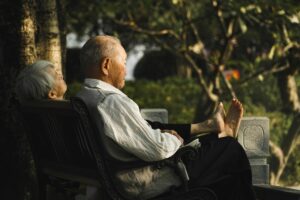 There’s a quiet truth we don’t talk about enough:
Growing old is not just about the body slowing down.
It’s about the world slowly moving ahead without you.
Conversations speed up. Technology leaps forward. Homes grow busier. And the people who once carried entire families on their shoulders begin to feel like they are standing at the edge of life, watching it continue without them.
Yet this stage of life — the so-called “final innings” — holds something our fast world desperately lacks:
Perspective. Depth. Softness. Wisdom earned the hard way.
 And what elders need most at this time is not fixing, not advice, not medical jargon.
They need connection that says: “You still matter here.”
Aging Is Not a Problem to Solve — It’s a Season to Honor
We treat old age like a decline chart.
Less mobility.
Less memory.
Less independence.
But elders are not becoming less.
They are becoming concentrated versions of life itself.

They carry:
Stories of survival
Lessons from failures
Memories of simpler joys
A long view of what truly matters
They have watched trends rise and collapse. They have seen grief that felt unbearable… and still, they are here.
When we sit with them, we aren’t just keeping them company.
We are sitting with history, resilience, and distilled human experience.
The Deep Human Need at the End of Life
As people approach the later chapters of life, three emotional needs grow stronger:
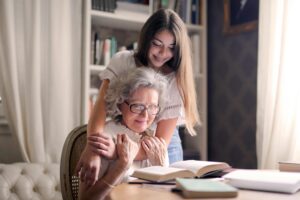
1. To Feel Seen
Not managed. Not handled. Not supervised.
Seen.
When we look into their eyes while they speak — even if the story repeats — we are telling them:
“Your life still echoes.”
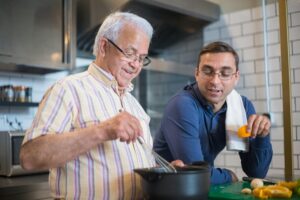 2. To Feel Useful
Loss of role is often harder than loss of strength.
Ask for their advice. Involve them in decisions. Let them teach a recipe, a song, a memory.
Purpose is oxygen at any age.
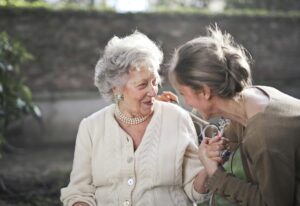 3. To Feel Connected
Loneliness in old age is not just physical isolation. It’s emotional disconnection.
A 15-minute undistracted visit can mean more than a week of polite caretaking.
Presence beats efficiency every time.
Making Their Final Years a Bundle of Joy
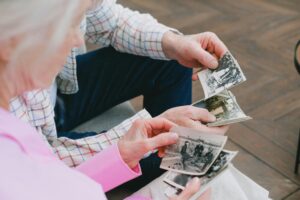 Joy in old age doesn’t come from grand gestures. It comes from small, repeated signals of love.
- Sit beside them, not across the room
- Ask about their childhood
- Listen without correcting their memory
- Watch old photos together
- Laugh at the same joke again
- Let them tell stories you already know
These moments say something medicine cannot:
“You are not a burden. You are a blessing we still get to have.”
Making Their Final Years a Bundle of Joy
Death is not an enemy to elders in the way it is to the young. Often, it is a quiet knowing. A soft acceptance.
What makes the transition heavy is not dying.
It’s feeling unfinished. Unheard. Unloved.
We ease their passage when we help them:
- Share their stories
- Express their regrets without judgment
- Say what was never said
- Forgive and be forgiven
- Feel that their life made a difference
When someone feels emotionally complete, death becomes less of a fall… and more of a return to rest.
Our role is not to fight time.
Our role is to make sure no one leaves feeling invisible.
The Gift Flows Both Ways
Here’s the beautiful paradox: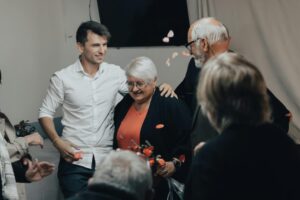
We think we are doing something for them.
But sitting with elders changes us.
We become less rushed.
Less dramatic about small problems.
More aware that life is fragile and precious.
Their presence teaches us how to live — even as they prepare to leave.
One Day, We Will Stand Where They Stand
 The way we treat elders today is the emotional world we are building for our own future.
Ageless bonds remind us:
Love does not expire.
Worth does not retire.
Connection does not have an age limit.
And timeless wisdom whispers something simple:
Don’t wait for funerals to express love.
Sit beside the living while their hands are still warm.
That is how we turn their final years into joy.
That is how we honor a life.
That is how we make goodbye gentle — for them, and for us.